 EN
EN

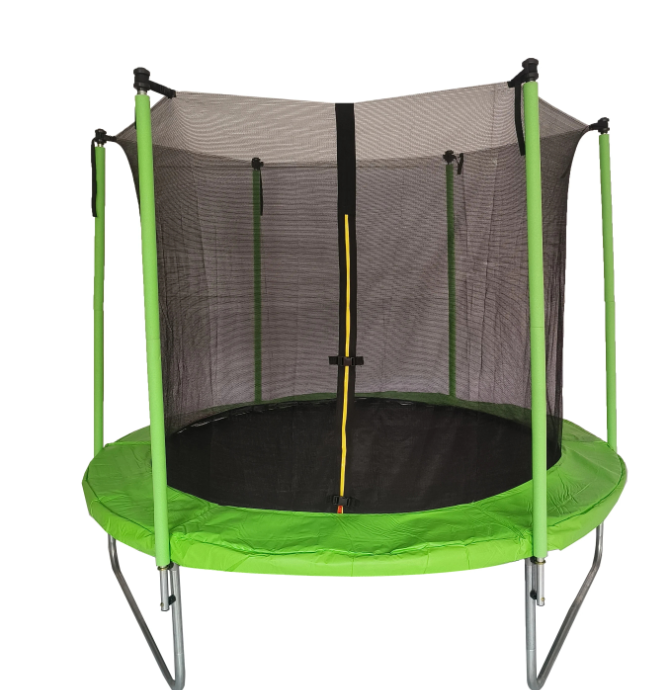
Structural Compatibility for Rectangular Trampoline Frames
Pole material, height, and load-bearing capacity for rectangular frame geometry
Galvanized steel remains king when it comes to building rectangular trampoline enclosures because these poles just don't rust away and can handle serious tension forces well beyond 350 MPa. The problem is different from round frames where stress spreads evenly. With rectangles, all that pressure bunches up at the corners, so manufacturers need to design poles that can soak up those uneven forces. When setting up these structures, we're talking about poles that stand at least 1.8 meters tall (around 6 feet) and each one needs to hold over 200 kilograms (about 440 pounds) of jumping around before anything starts to bend or break. Most good quality setups use poles with a thickness of at least 38 millimeters across, which gives them enough stiffness to fight off twisting and side-to-side forces that come specifically from rectangular shapes. All these specs match what's written in the ASTM F2970-22 standard, basically saying that poles should stay straight even when tested three times heavier than what they're supposed to carry normally.
Attachment systems: Clamps, sleeves, and bolt patterns engineered for non-uniform rectangular spacing
When working with rectangular structures, special attention needs to be paid to how we attach different parts since stress varies throughout especially where the sides meet and at those tricky corner areas. The reinforced T-shaped clamps help spread out force across multiple connection points, whereas compression sleeves take care of twisting motions caused when things shift angles unexpectedly. For bolts, spacing isn't uniform either. Generally speaking, they should be no more than 80mm apart along the longer edges and closer together at corners, around 50mm maximum. Better quality systems come equipped with two stage locks that keep everything secure even when multiple people are jumping around on them. Fasteners made from grade 304 stainless steel last longer because they handle wear and tear much better after repeated stretching and bending. Special angle adjusters maintain proper alignment when moving through right angle turns too. All these details matter because they eliminate dangerous pinch spots and ensure gaps stay within that tight 5mm range specified in industry safety standards like EN 13219.
Net Performance Standards for Rectangular Trampoline Enclosures
UV-stabilized polyethylene vs. polyester: Tensile strength and elongation thresholds for rectangular enclosure dimensions
When designing rectangular enclosures, materials need to handle those stress concentrations at corners and manage directional strains effectively. UV stabilized polyethylene stands out for lasting performance, able to take over 2000 hours of sunlight while keeping around 85% of its initial tensile strength. Plus it resists moisture better than polyester does. The tensile strength range of about 25 to 30 N/mm² remains stable throughout rectangular shapes, unlike polyester which tends to break down about 40% quicker at corners because the weave gets distorted when subjected to angular loads. Materials should stretch beyond 300% elongation to handle those uneven forces safely without risking structural failure. This kind of flexibility makes all the difference in maintaining enclosure integrity over time.
Mesh density and seam integrity: Preventing limb entrapment per ASTM F2970-22 and EN 13219
The safety rules for these products specify that mesh holes need to be no bigger than 1.5 centimeters across, and they want those double-threaded seams that lock together to stop fingers from getting caught. When looking at rectangular shapes specifically, there's actually a problem with how the mesh stretches diagonally which makes them about 22 percent more likely to fail compared to round ones. That means manufacturers have to reinforce those stress areas with extra weaving. For corners, the stitching needs to hold up under around 250 Newtons of pulling force before it comes apart, which is way above what the ASTM F2970-22 standard requires at just 180 Newtons. Products that meet EN 13219 standards typically see less than one tenth of one percent entrapment problems overall when they use 600 denier fabric along with those triple stitched seams and added reinforcement in the corners through gussetting techniques.
Safety-Critical Design Features Unique to Rectangular Trampoline Enclosures
Door Mechanism Reliability and Gap-Free Entry/Exit for Asymmetric Rectangular Layouts
The rectangular shape of these trampolines creates uneven pressure on the enclosure doors because of their angles and how the fabric stretches differently across surfaces. Good quality door systems typically include reinforced zippers with double sliders that keep things from coming apart when stretched tight. They also have magnetic or twist lock closures that automatically adjust themselves while kids are jumping around. Around the edges, there needs to be continuous webbing anchors so no gaps bigger than 12.5 mm form anywhere near where fingers might get caught according to safety standard ASTM F2970-22. Testing in labs has found that corners on rectangular doors experience about 37 percent more wear over time compared to round ones, which means manufacturers need to reinforce those areas with extra stitching and stronger plastic sliders. Because frames aren't perfectly uniform either, makers must allow for an extra 15 to 20 mm clearance between components compared to what's needed for round trampolines.
Padding Coverage, Anchoring, and Corner Reinforcement for Extended Rectangular Perimeters
Rectangle shaped trampolines need way more padding coverage compared to their round counterparts, about 30 to 40 percent extra actually, because they have longer edges and those sharp corners where people tend to land harder. The key stuff to look for? At least eight inches of padding covering the springs and frame made from good quality cross linked polyethylene foam that's dense enough (around 24 kg per cubic meter works). Anchoring systems should be completely gap free with non slip PVC backing that can handle a decent tug test around 200 Newtons. Corner pads matter too, especially since rectangular trampolines get hit three times as often at those corners, so four layers there makes sense. Those radial darting patterns we see on many pads help keep everything in place when someone lands at an angle. And speaking of staying put, rectangular models typically come with twice as many anchor points along the perimeter (usually 16 or more compared to just 8 to 10 on round ones) which keeps the padding tight even if the ground isn't perfectly level. Studies show that when manufacturers use padding thicker than 8 centimeters in these high stress areas, failure rates plummet by about 83 percent.
Regulatory Compliance and Certification Realities for Rectangular Trampoline Enclosures
ASTM F2970-22, EN 13219, and EN 71-14 Applicability—and Critical Gaps—in Rectangular Trampoline Testing Protocols
The ASTM F2970-22, EN 13219, and EN 71-14 standards set important safety requirements for trampoline enclosures when it comes to things like net strength, how well they absorb impacts, and preventing kids from getting stuck. But these standards were mostly created with round trampolines in mind. The testing methods just don't account for what happens with rectangular frames. Think about it: those long sides distribute forces unevenly, the whole frame twists when people bounce around, and corners take on extra stress. Take ASTM F2970-22 for example. Its tests apply even pressure everywhere, but that doesn't match what actually happens when someone jumps on a rectangular trampoline. The poles might not be attached properly without anyone noticing. EN 13219 looks at how strong the mesh is against tearing, but rectangular setups create different kinds of tension that aren't captured in standard tests. And let's not forget EN 71-14's gap testing completely misses the special dangers at the corners where kids could get trapped. Because of all these gaps in testing, many manufacturers end up certifying their own products for safety issues that matter most. This puts users at risk for things like broken joints or nets that wear out too fast. Real safety means getting third party experts to check specifically how well corners are reinforced, how durable the frame is under uneven loads, and map out stresses as they happen during actual use.