 EN
EN

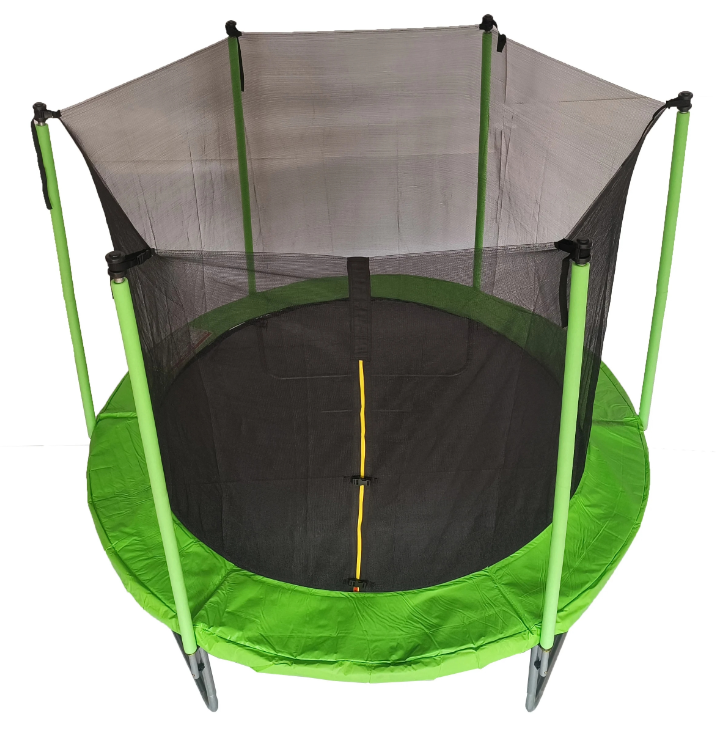
Why Safety Nets Are Essential for Kid Trampolines
Child injury data: How safety nets reduce fall-related ER visits for ages 6–12
Trampoline safety nets stop about 90 percent of those risky falls that send kids to the emergency room. Trampolines are actually responsible for most ER visits among children between six and twelve years old according to medical data. The American Academy of Pediatrics has tracked well over 100 thousand cases each year where kids end up needing emergency care after bouncing around on trampolines. Falls make up almost half of all broken bones reported too. These safety nets work by keeping kids from rolling off sideways or jumping out completely. They cut down on hard landings when kids bounce more than five feet into the air and also stop them from hitting the metal frame if they land wrong. Parents often overlook how important these simple additions can be in preventing serious injuries.
ASTM F2970-23 compliance: Non-negotiable net height, material strength, and secure entry requirements
According to the ASTM F2970-23 standard set by the American Society for Testing and Materials, there are three basic rules that safety nets on children's trampolines need to follow. The first rule is simple enough - the net has to be at least six feet high so kids can't roll right over the top when they jump around. Next up, the mesh material needs to be made of something tough like UV stabilized polyethylene that won't tear easily. This stuff should hold up against around 250 pounds of pressure before showing any sign of bending or breaking. Lastly, those entry points into the net area need special features. Most good quality nets come with dual zippers and automatic locks that close on their own after someone jumps through them. When manufacturers skip these requirements, problems start happening fast. Nets that don't meet these standards tend to break down quickly when exposed to sunlight, often giving out completely within just half a year. And when this happens, studies show that the chance of serious falls goes up dramatically, sometimes as much as seventy percent higher than with proper safety nets.
| Safety Feature | ASTM Requirement | Failure Consequence |
|---|---|---|
| Net Height | ≥6 feet | Roll-over falls |
| Mesh Strength | 250 lb load capacity | Barrier collapse during use |
| Entry Mechanism | Auto-locking zippers | Unsupervised access |
Key Safety Net Features That Define Reliable Kid Trampolines
Material & construction: UV-stabilized polyethylene mesh vs. inferior alternatives
Top quality safety nets are made from UV stabilized polyethylene mesh, which is tough yet flexible enough to hold up for at least five years outdoors in normal weather conditions. Nylon versions don't last nearly as long though they tend to fall apart about 2.5 times quicker according to Consumer Product Safety Commission reports where around two thirds show signs of tearing after just 18 months of use. What makes these premium nets stand out is their special industrial grade polyethylene weave measuring between 1.5 to 2mm apart. This design not only meets but actually goes beyond the ASTM F2970-23 standards, so there's no risk of fingers getting stuck. And when temperatures drop below freezing point, those cheap vinyl coated alternatives start to get stiff and eventually crack, whereas our polyethylene stays soft and resistant to tearing even when it gets as cold as minus 30 degrees Celsius.
Structural integration: Inside-frame mounting, 6+ poles, and minimum 6-ft net height
How well the safety net works depends largely on how it fits with the trampoline frame. When mounted inside the frame instead of just clipped on, there are no risky spaces between the springs and net where kids might get stuck. Most accidents happen there. Manufacturers typically install six or even more sturdy support poles so the net doesn't sag too much when someone jumps hard (less than 15 degrees bend is ideal). Keeping the net tight makes a big difference. Also important is making sure the net sits at least six feet high off the ground, which helps prevent those scary headfirst rolls onto the mat below. A study in Pediatrics last year showed that trampolines with properly integrated nets cut down falls by around 84% compared to cheaper clip-on alternatives. New safety standards from ASTM now demand things like extra stitching around all connection points and backup locks where kids enter the jumping area. Testing shows these changes keep gaps smaller than an inch wide even after hundreds of hours of playtime, which is what top quality children's trampolines should achieve according to industry benchmarks.
Complementary Safety Elements in Kid Trampolines
Frame padding density, full spring coverage, and age-specific weight limits (6–12 years)
Safety nets definitely form the first line of defense against falls, but real security comes from multiple layers working together. The frame needs to be wrapped completely in high density closed cell foam padding at least 1.5 inches thick. This helps soak up impacts and stops cuts or broken bones from happening. Don't forget about those springs either. Leaving them uncovered creates dangerous pinch points where small fingers or limbs might get caught accidentally. And let's talk about weight limits too. Most trampolines meant for kids between 6 and 12 years old should not exceed 150 pounds maximum. Going beyond that puts stress on the entire structure, making the net loose, poles wobbly, and everything generally less stable. Independent safety checks have found that when all these components work properly together, injuries drop by around 40 percent compared to setups lacking proper safeguards.
Ensuring Long-Term Reliability: Installation, Maintenance, and Supervision
Tension calibration, seasonal UV/weather inspections, and AAP-aligned supervision protocols
Safety over time isn't just about what comes out of the box initially, it's really about sticking to regular maintenance routines too. When setting things up, installers need to get those nets properly tensioned with ASTM certified equipment because when they sag, people tend to climb on them or jump incorrectly. We recommend checking how well everything holds up against sun damage and weather twice a year. Look at whether the mesh still stretches like it should, check if poles are starting to rust, and make sure zippers still work after six months of use. For supervision, following AAP guidelines makes sense – ideally one adult watching every three kids under twelve years old. And definitely put rules in place banning flips and somersaults during those 90 minute play periods. Keep track of all this stuff in written records too. Check that bolts stay tightened to at least 20 Newton meters and monitor how resistant the netting remains to wear and tear. These records help prove we're doing things right and can actually stop accidents before they happen.