 EN
EN

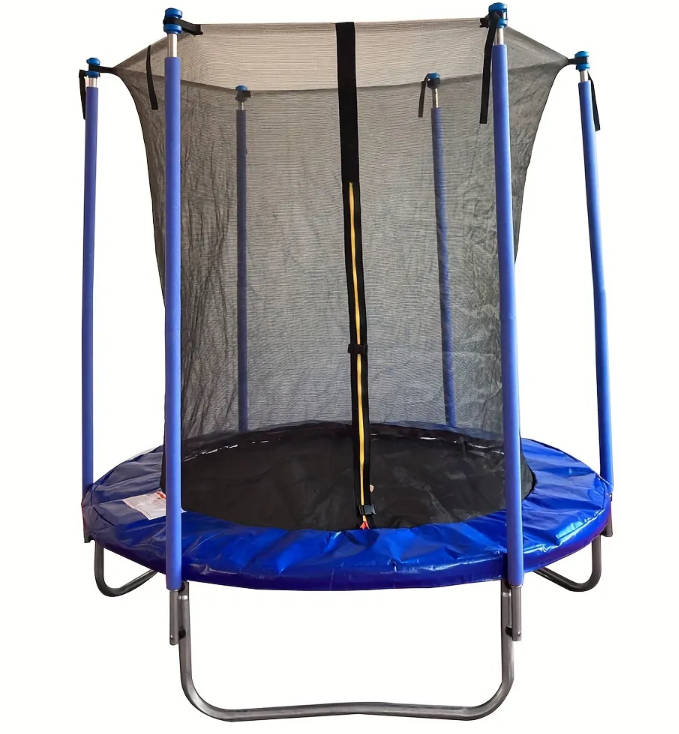
Key Safety Standards Governing Rectangular Trampoline Compliance
ASTM F381–2023: What It Covers—and Overlooks—for Rectangular Trampoline Design
The ASTM F381-2023 standard sets out basic safety rules for home rectangular trampolines. These include requirements like frames made from at least 1500 psi steel, padded springs to absorb impacts, and complete netting around the edges to prevent falls. There's also a specific requirement for jump mat seams to hold at least 1800 Newtons of force. This number matters because rectangular trampolines actually face more tension than their round counterparts. Still missing from the standard though is any requirement for testing how well these mats hold up under UV light over time. Studies show rectangular models can have up to 40% more stress at the corners and seams when exposed to sunlight. Most manufacturers try to fix this issue with special UV resistant coatings they develop themselves. But the tests done in labs according to ASTM guidelines don't really mimic what happens after several seasons outdoors. So whether these trampolines will last as long as claimed often comes down to extra testing done by companies and what their warranty actually covers.
EN 13219 & EN 71-14: EU Requirements for Structural Stability and Child-Safe Rectangular Trampoline Systems
Under the European Union regulations, there are basically two main standards that apply to trampolines. The first one is EN 13219 which covers commercial setups and indoor installations, while EN 71-14 from 2018 deals specifically with home use models. Looking at EN 13219, rectangular trampolines need to handle dynamic loads over 500 kilograms. These types are really common in gyms and sports centers too. About 62% of all institutional installations are rectangular because they offer better bounce consistency and take up less space overall. When we switch to EN 71-14, things get even more strict when it comes to keeping kids safe. There are rules about preventing fingers getting stuck between parts (the gaps have to be no bigger than 8 millimeters near those springs). They also need to stand up against winds blowing at around 38 miles per hour without needing extra anchors, plus ladders should automatically close after someone climbs off. What makes EN 71-14 special though? It actually requires outside experts to check how well these trampolines absorb shocks. Tests done with headforms can't exceed 200 g-force levels, which means this standard stands alone as the only big one demanding real independent testing for impact protection. And then there's that 360 degree safety net requirement too. The nets need to be at least 90% as tall as whoever will be jumping on them, since rectangular shapes tend to make people bounce higher anyway.
| Standard | Scope | Key Rectangular Trampoline Requirements |
|---|---|---|
| EN 13219 | Indoor/commercial | Reinforced frame joints, coach supervision zones |
| EN 71-14 | Domestic/outdoor | 360° netting height ≥ 90% of user height |
| ASTM F381-2023 | General residential | Mat seam strength ≥ 1,800 N |
Rigorous Lab Testing That Validates Rectangular Trampoline Durability
Frame-Mat Drop Testing and Shock Absorption Metrics Specific to Rectangular Geometry
When it comes to rectangular trampolines, manufacturers conduct specific drop tests because these models behave differently mechanically, especially around corners where stress builds up and forces aren't distributed evenly across the surface. According to standards set by ASTM in 2023, they actually drop heavy dummies weighing over 100 kilograms from about two meters high right onto those risky areas like the corners to measure how much g-force gets transmitted through the material. Using pressure mapping tech, they've found that even when someone lands near a corner, the impact isn't more than 15 percent different compared to landing in the middle area. This helps avoid creating dangerous hot spots that might throw off balance for people doing tricks or advanced moves. The rectangular shape itself creates roughly 30 to 50 percent more tension along the seams when tested under simulated impacts, which is why good quality models have extra strong stitching and carefully spaced springs throughout. All this engineering work keeps the shocks absorbed at safe levels, generally staying beneath the five g's limit considered acceptable for safety purposes.
Static Load Capacity Tests (450+ kg) and Real-World Performance Correlation
The EN 13219 standard calls for static load tests on rectangular frames that must hold at least 450 kilograms for over 24 hours. This test simulates what happens when snow builds up on top, multiple people jump at once, or someone does those big bounces that send them flying across the frame. When checking for deformation, technicians look specifically at the welded joints and where the legs attach to the frame. High quality models typically show less than half a millimeter of movement in these areas, which means they maintain their shape pretty well under pressure. Real world testing backs this up too. Trampolines that pass this requirement generally last through around 10 thousand jumps before showing any signs of wear and tear. The safety factor here works out to about three times the maximum recommended user weight of 150 kg. Rectangular trampolines need this extra strength because they have bigger surfaces and handle more force during normal use compared to round ones. So while it might sound technical, this load capacity test actually tells us quite a bit about how reliable a trampoline will be over time.
Warranty Structures as Practical Quality Guarantees for Rectangular Trampolines
Decoding Warranty Tiers: 10-Year Frame vs. 2–5-Year Mat/Enclosure Coverage
Warranty periods actually tell us quite a bit about how confident companies are in their materials and construction quality. Most frame warranties last between 5 to 10 years because they're made from galvanized steel that resists rust and passes those EN 13219 tests for static loads. Jump mats and protective enclosures typically come with shorter warranties ranging from 2 to 5 years since these parts tend to break down faster from sun damage and repeated bouncing stresses. Looking at what actually happens in the field supports this pattern: around 22% or less of frames need replacing after ten years, whereas almost half the mats start showing problems by year five. Big name brands back up these warranty claims using special lab tests that speed up time equivalent to 8 to 12 seasons of weather changes. Combine this testing with standard impact ratings (ASTM) and safety checks for shock absorption (EN 71-14), and suddenly warranty length isn't just marketing fluff but real evidence pointing toward which rectangular trampolines will stand the test of time.