 EN
EN
Frame & Structural Customization for Mini Trampolines
Adjustable Dimensions and Load-Bearing Configurations by Use Case
The size of the frame and how much weight it can hold really needs to match what it will be used for. Commercial grade mini trampolines are built tough enough to handle over 300 pounds thanks to their reinforced steel joints and those thick walled legs. Regular home versions usually only take around 150 to 200 pounds since they use materials that keep costs down. Gyms tend to go for the bigger 10 foot diameter ones when running group aerobics classes, but physical therapy places generally stick with smaller 6 foot models. These compact rebounders come with softer springs that help patients work on their balance and muscle control without putting too much strain on recovering bodies. Testing by third party labs shows these commercial frames can last through more than 50 thousand stress cycles. That's actually three times longer than what we see from regular consumer grade equipment, which makes them worth the investment for high traffic facilities.
Shape Flexibility: From Standard Round to Oval, Square, and Compact Foldable Designs
Traditional round frames are no longer the only option when it comes to trampoline design. New shapes actually serve different purposes better than circles ever could. Oval designs measuring around 8 by 12 feet work great for those lateral agility drills common in sports training centers. Square frames take advantage of corners in home gyms while still staying stable during workouts. The foldable versions with those special locking hinges really make a difference in storage needs, probably cutting down space requirements somewhere around 70 percent. That's huge for therapists who travel between locations or for studios that switch their equipment regularly. We're seeing all sorts of new shapes coming out too. Hexagonal frames are becoming popular for group classes where multiple people need access at once. Triangle shaped models specifically target younger kids' motor skills development. Most major brands now stock over fifteen basic frame types, and quite a few allow users to tweak leg angles so the bounce stays even even if the floor isn't perfect.
Bounce Surface & Material Customization for Mini Trampolines
High-Performance Mat Materials: Polypropylene, PP+PE Blends, and Reinforced Weaves
What happens on the bounce surface really matters when it comes to safety, how much energy gets returned, and how well things hold up over time. Polypropylene has become pretty much standard for stuff outdoors because it stands up against UV damage and doesn't soak up moisture like other materials do. When manufacturers want better responsiveness from their mats, they blend polypropylene with polyethylene. These mixed mats give back around 15 to maybe even 20 percent more energy compared to regular ones, all while still holding together if something tears at them. The high traction versions have these special diamond weave patterns rated at least 1200 denier. Tests show these surfaces actually work to stop feet from slipping around during fast movements. And for the top quality products? They go through intense stress tests where they can handle hundreds of thousands of jumps before showing any real signs of wear or losing their springiness completely.
User-Specific Elasticity and Weight Capacity Tuning (Up to 300+ lbs)
Rebound characteristics can be calibrated to user physiology and activity goals using progressive-rate springs or bungee systems. Three interdependent factors guide tuning:
- Weight distribution: Users weighing 200–300+ lbs benefit from springs that stiffen progressively under load, maintaining control without bottoming out
- Activity type: Rehabilitation protocols require 30–40% softer rebound than athletic conditioning to minimize joint loading
- Safety margins: All certified systems include at least 25% excess capacity beyond their rated limit
Adjustments must follow manufacturer specifications—over-tensioning risks frame fatigue or premature spring failure. ISO 9001-certified production processes validate these engineering tolerances across batches.
Branding, Aesthetics & Compliance Customization
OEM Color Matching, Logo Embossing, and Regulatory Labeling (CE, ASTM F381)
When it comes to B2B purchases, custom options help connect what equipment actually does with how it looks and meets regulations. Matching colors through OEM processes relies on specific Pantone codes so products look consistent throughout an entire gym or fitness center setup. This matters a lot when deploying equipment across multiple locations. Brands can get their logos permanently pressed onto frame surfaces or matting materials, which keeps the company name visible even after years of use while still maintaining strength properties. Compliance is another big deal too. Those CE marks from Europe and ASTM F381 stickers aren't just decorative items they show independent tests have confirmed things like maximum weights, crash protection levels, and whether equipment holds up during normal usage versus sudden impacts. Getting these certifications right isn't easy work for manufacturers because special production techniques are needed to keep everything looking good and lasting long enough through constant movement and pressure changes day after day.
Functional Accessory Integration for Mini Trampolines
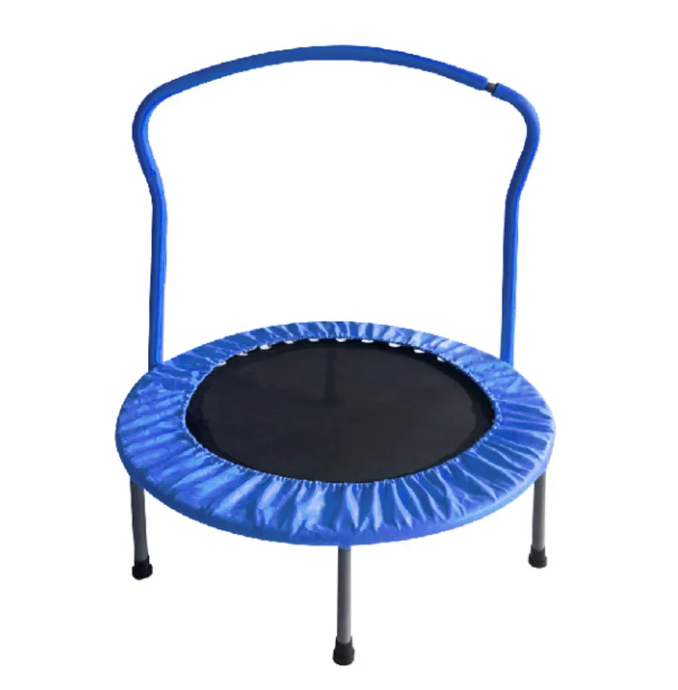
Modular Safety Add-Ons: Enclosures, Handlebars, Non-Slip Surfaces, and Stackable Mounts
Specialized equipment really boosts safety, flexibility, and how well space gets used, particularly in places where lots of people come and go. The modular enclosures help stop people from falling when they're doing intense workouts. Ergonomic handles give different levels of support which is great for both rehab programs and senior fitness classes. We've seen through research published in respected journals that these non slip surfaces cut down on slips and falls by around 40%. That's pretty impressive considering how many accidents happen in gyms every year. Stackable mounting solutions let things be stored vertically instead of taking up valuable floor area, something that makes a big difference in school settings, physical therapy offices, and those small but popular fitness studios. Everything connects together using standard fittings so facilities can easily adjust their safety setup depending on who's using the equipment. Whether it's kids working on motor skills or professional athletes recovering from injuries, all these parts work seamlessly together even with trampolines that can hold weights up to 300 pounds.