 EN
EN

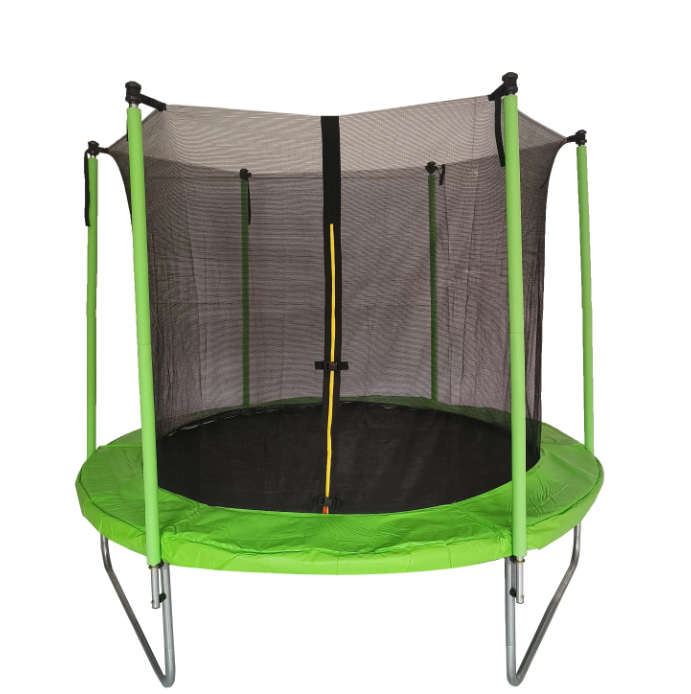
Understanding the Safety Risks of Kid Trampolines
Trampoline-related injuries remain a critical concern for playground operators, with the American Academy of Pediatrics (AAP) reporting over 800,000 emergency-treated injuries in children between 2009 and 2018. The most common incidents include:
- Fractures and sprains (48% of cases) from improper landings
- Collision injuries (39% of incidents) involving multiple jumpers
- Falls from equipment accounting for 27% of serious injuries
The AAP’s 2023 update emphasizes avoiding recreational trampoline use for children under six due to underdeveloped coordination and balance. Their guidelines highlight the necessity of safety netting, shock-absorbing padding, and single-user policies for institutional installations to mitigate spinal and head injury risks.
Essential Safety Features in Kid Trampoline Design
Protective Padding and Enclosure Systems as Primary Safeguards
The thick, dense foam that wraps around every part of the trampoline frame acts as the primary protection for kids jumping around. These days most trampolines come with polyethylene padding that has extra strong outer layers designed specifically to soak up those unexpected bumps against metal parts or springs when someone lands off center. When manufacturers add those complete perimeter nets around the edge, accident rates drop dramatically. A recent study on playground equipment safety from last year actually showed that trampolines with proper padding and netting cut down on collisions by almost two thirds compared to older models without these safety features. That makes a real difference for parents worried about their children getting hurt during playtime.
Safety Doorway Design in Trampolines for Controlled Access
Zippered entryways with self-locking mechanisms ensure children can’t accidentally exit mid-jump. Leading models feature dual-layer closures and color-coded handles to help supervisors quickly verify secure access points. This design aligns with ASTM-recommended safety protocols for controlled play environments.
High-Impact Netting for Trampolines to Prevent Falls
Vertically tensioned netting made from UV-stabilized polypropylene creates a flexible barrier capable of withstanding 400 lbs of lateral force. Properly anchored nets maintain structural integrity even during group play, preventing dangerous falls while allowing natural airflow.
Hidden Frame and Soft Edge Design for Reduced Impact Risk
Recessing the trampoline frame beneath the jumping surface eliminates hard edges that cause concussions and fractures. Shock-absorbent perimeter mats with graduated firmness levels further minimize injury severity, providing 30% better impact dispersion than traditional padded edges.
Engineering and Structural Integrity of Kid Trampolines
Structural integrity forms the foundation of safe kid trampoline design, combining durable materials with advanced engineering to minimize risks during active play.
Durable Trampoline Frame Construction and Weight Limits
Galvanized steel frames of high quality can hold really heavy loads, sometimes as much as 350 lbs without bending or corroding over time. According to what industry experts have found, trampolines made with powder coated steel parts break down about 40 percent less often than those using aluminum instead. The frames get even better when they include these reinforced T sockets plus special coatings that stop rust from forming. All this makes sure the product meets all necessary safety requirements regarding how weight gets distributed across different areas of the frame.
Springless Trampoline Benefits in Minimizing Pinch Points
Modern springless designs eliminate traditional metal coils, reducing pinch-point injuries by 72% according to playground safety audits. Flexible composite rods or tensioned polyethylene bands create a consistent bounce surface while maintaining a 6-inch safety gap between jumping areas and frame edges.
Structural Stability and Ground Anchoring Mechanisms
When it comes to keeping things stable, ground anchoring systems really make a difference. Spiral stakes work great for most situations, but some folks prefer weighted bases too. Independent tests have found that proper installation can cut down on those annoying tip-over accidents by as much as 90%. Speaking of outdoor use, look for trampolines rated against winds up to 55 miles per hour according to TP Toys research from last year. Galvanized steel parts help fight off rust and other weather damage, which means these trampolines tend to last anywhere from three to five extra years over regular models. That's quite a boost in longevity for something we put outside all year round.
Compliance with Safety Standards for Playground Trampolines
Compliance with ASTM and CPSC Safety Standards
Choosing safe trampolines for playgrounds starts with following ASTM F381-16 standards and what the CPSC recommends. The ASTM standard actually has pretty strict rules about what materials should be used, how strong the frame needs to be, and those important enclosure systems that keep kids from falling off. Meanwhile, the CPSC's Playground Safety Handbook focuses on things like making sure there's enough space between equipment and setting realistic weight limits. Take the padding requirement as an example the ASTM wants at least 1.5 inches thick padding to cushion landings. According to some recent data from 2023, this kind of padding cuts down collision risks by around 34% compared to cheaper trampolines that don't meet these specs. These standards basically set the minimum safety level we expect when kids are jumping around in public spaces.
Role of Safety Certifications in Kid Trampoline Procurement
Getting third party safety certifications such as ASTM standards or following CPSC guidelines is now pretty much required when buying equipment for playgrounds these days. Most schools and city officials look for trampolines that come with proper certification because they want to reduce potential legal problems and meet what their insurance companies demand. According to a recent survey from 2023, around 82 percent (that's almost four out of five) public playground purchasers actually turn down proposals that don't include those important ASTM or CPSC papers, mainly because they worry about getting sued later on plus dealing with extra repair expenses down the road. These certifications make things easier for decision makers too since they already show whether products passed rigorous tests for lasting power and safe materials, so nobody has to go through all the hassle of checking everything manually themselves.
How ASTM Standards Shape Safe Trampoline Design
The ASTM standards really shape how trampolines are built these days, covering everything from how resistant the frame is to rust all the way down to where the safety nets need to be hung. Take standard F381-16 for example it says trampoline frames must hold up under 2,000 pounds of weight so they don't collapse when multiple people jump at once. The newer springless models with those composite rods weren't just a design choice either they were actually required by regulations aiming to get rid of those dangerous pinch points between parts. According to the latest ASTM Safety Report from 2023, this change alone cut down hand injuries by about half since 2020. There are also strict rules about how high the netting needs to be at least six feet off the ground and gaps in the enclosure can't exceed four inches wide. These specs help keep kids safe from falling out or getting stuck while bouncing around, even if it means some manufacturers might find their products look a bit less stylish than before.
Safe Usage Guidelines: Age Appropriateness and Supervision
Guidelines for Age-Appropriate Trampoline Use
Manufacturers recommend kid trampolines for children aged 3–10 years, with weight limits under 110 lbs (CPSC 2023). Key age-related safety considerations include:
- Single-user capacity prevents collisions
- Handrail height matching average stature per age group
- Entry steps with non-slip surfaces for younger children
| Age Range | Max Jump Height | Supervision Ratio |
|---|---|---|
| 3–5 years | 18 inches | 1 adult : 1 child |
| 6–10 years | 36 inches | 1 adult : 3 children |
Data from the 2022 Supervision Study shows structured age grouping reduces injury rates by 68%.
The Critical Role of Supervision of Children on Trampolines
Active adult supervision prevents 89% of double-bouncing incidents and 74% of boundary exits (National Playground Safety Institute 2023). Effective strategies include:
- Positioning supervisors in clearly visible observation zones
- Implementing a "No flips, no tricks" rule enforcement system
- Scheduling 15-minute play sessions to prevent fatigue-related falls
Manufacturers require commercial installations to maintain <12:1 child-to-staff ratios, with real-time monitoring systems becoming standard in modern playground designs.