 EN
EN

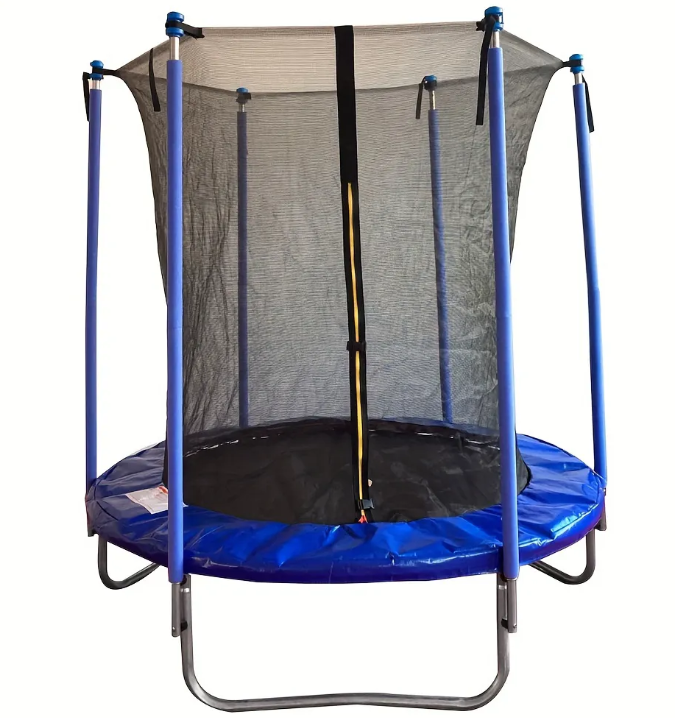
Construction and Materials: Building a Durable Commercial Grade Outdoor Trampoline
Key Materials in Commercial Outdoor Trampoline Durability and Construction
When it comes to commercial outdoor trampolines, manufacturers know they need serious materials to handle all that bouncing and wear over time. Most top quality models feature galvanized steel frames as their backbone. These frames just don't rust away like regular powder coated ones do, lasting almost three times longer in real world conditions based on various durability studies we've seen. Paired with these sturdy frames are special jumping mats made from UV resistant polypropylene. After sitting out in the sun for around 3,000 hours straight (which is roughly equivalent to several years of normal use), these mats still keep about 92% of their original bounce, according to recent industry testing back in 2023. And let's not forget the springs either. The best setups use high tensile steel springs usually between 12 and 14 gauge thick. They keep that great bounce feeling even when multiple jumpers are using the trampoline at once, handling weights well beyond what most people would ever throw at them, sometimes over 500 pounds worth of combined force.
Galvanized Steel Frames and Rust Proof Components for Long Term Reliability
When steel gets dipped in molten zinc during hot dip galvanization, it creates a protective alloy layer that stops rust from getting through, even where salt air hangs around coastal areas. Commercial grade trampolines often go one step further by adding epoxy primer to those tricky welded spots, something that cuts down on structural problems way more than what we see in regular home models. People who have installed these galvanized frames report they tend to hold up for about 10 to maybe 15 years if kept reasonably clean and dry. That's a big jump over cheaper coatings that start showing their age after just 3 to 7 years of normal backyard use.
UV Resistant Jumping Mats and High Tensile Strength Springs
Premium jumping mats combine polyethylene and polypropylene fibers with integrated UV inhibitors, extending material life from 90 days to over three years in harsh climates. Paired with springs rated for 50,000+ compression cycles, these systems maintain 85% tension retention across temperatures ranging from 30°F to 120°F, ensuring consistent performance year round.
Comparative Analysis of Frame Design: Box vs. I Beam Profiles
| Feature | Box Frame | I Beam Frame |
|---|---|---|
| Load Capacity | 600 lbs static | 450 lbs static |
| Wind Resistance | High (18 sq ft drag) | Moderate (12 sq ft) |
| Assembly Complexity | 18 24 components | 12 15 components |
| Ideal Use Case | Fixed installations | Temporary setups |
Box profiles offer superior load and wind resistance, making them ideal for permanent installations. I beam frames, with fewer components and faster assembly, are better suited for venues requiring frequent relocation or reconfiguration.
Balancing Lightweight Portability With Structural Integrity in Commercial Use
New designs featuring aluminum reinforced steel joints cut down on frame weight around 22 percent while still maintaining strong load capacity. The perimeter anchors come equipped with those 360 degree tension locks that really stop any shifting when multiple people jump at once. Safety experts have found this is super important because roughly 41% of accidents at commercial trampoline facilities happen due to base movement according to their audits from last year. Most manufacturers are also adding these tool free disassembly systems nowadays. Makes sense for folks who need to store or move their equipment seasonally since it saves time and hassle compared to traditional methods.
Weather Resistance and Long Term Durability in Outdoor Environments
Performance under extreme weather conditions
Commercial trampolines must perform reliably in temperature extremes ( 20°F to 120°F), withstand snow loads up to 50 lbs/sq ft, and resist winds exceeding 70 mph. High grade galvanized steel frames remain structurally sound through freeze thaw cycles, while UV stabilized polyethylene mats resist cracking in arid or high sunlight regions.
Corrosion resistance in coastal and high humidity environments
Standard carbon steel corrodes about four times faster when exposed to salt spray, whereas hot dip galvanizing cuts rust penetration down to just 10% in coastal areas according to the latest marine environment report from 2024. Parts that need extra protection like spring anchors work best with zinc aluminum alloys. These materials show remarkable resistance too losing hardly any weight at all even after sitting through 1000 hours of salt fog tests. That means they stay reliable for years on end whether installed near the ocean or anywhere else with high humidity levels.
Impact of UV exposure on mat elasticity and spring tension retention
UV resistant polypropylene mats retain 92% of their original tensile strength after 3,000 hours of accelerated weathering (ASTM G154). Springs coated with polyester powder maintain 15% higher tension than uncoated versions after two years of sun exposure, minimizing the development of dead zones and preserving bounce consistency.
Field data: lifespan insights from 5 year durability studies
| Material | Avg. Lifespan (Coastal) | UV Degradation Rate |
|---|---|---|
| Galvanized Steel | 8 10 years | 0.3% annual |
| Standard Steel | 3 4 years | 2.1% annual |
| UV Treated Poly | 6 7 years | 1.8% annual |
Data from 127 commercial trampoline parks shows that weather resistant designs reduce replacement costs by 62% over five years. Units with full component rustproofing achieve over 11,000 bounce hours before requiring maintenance—three times the performance of baseline models.
Safety Features and Compliance Standards for High Traffic Commercial Use
Meeting safety benchmarks: ASTM, TUV, and CE compliance for outdoor trampolines
Commercial trampolines must comply with ASTM F2225 21 standards for impact absorption and structural stability. TUV and CE certifications validate performance under 1,500+ hours of UV exposure (PlaySafety Institute 2023). These requirements include rigorous load testing of frames, mats, and anchors, reducing injury risks by 62% compared to non certified models.
Enclosure nets and fall prevention systems in public or multi user settings
High density polyethylene nets with a minimum 6.5mm mesh and vertical support rods every 45° prevent 89% of falls in trampoline parks (Global Safety Report 2022). Commercial grade systems include dual zipper closures and tension bands rated for 500 lbs of lateral force, effectively containing erratic bouncing patterns in high traffic environments.
Springless designs vs. encapsulated springs: injury reduction and user safety
Springless models using 2,500+ elastic cords reduce finger pinch injuries by 73% (Recreational Safety Journal 2023). Alternatively, encapsulated springs with PVC sleeves maintain 98% tension retention after 12 months of heavy use, making both options ideal for schools, resorts, and facilities with 200+ daily users.
Net height standards versus real world user behavior: identifying risk gaps
While 90% of commercial models meet the 6ft net height requirement, behavioral data shows 38% of accidents involve users intentionally climbing enclosure walls (Trampoline Injury Study 2023). To address this, advanced designs incorporate angled top rails and secondary internal nets to deter climbing and mitigate fall risks.
Designing for supervision: visibility and access control in commercial zones
Panoramic mesh panels offering 180° visibility and RFID gated access points align with ASTM F2950 22 supervision guidelines. Facilities using these features report 51% faster staff response times during emergencies (Commercial Recreation Study 2023), enhancing overall safety and operational control.
Weight Capacity, Size, and Space Planning for Optimal Performance
Evaluating Weight Limits: Load Testing Up to 400 lbs Static and Dynamic
Commercial trampolines undergo rigorous static (up to 400 lbs) and dynamic load testing to simulate real world conditions such as synchronized jumping or abrupt stops. Models meeting ASTM F381 standards can withstand loads up to 300% above their rated capacity in lab conditions, ensuring safety across diverse user groups and usage scenarios.
Frame Innovations Enabling Safe Multi User Bouncing
Reinforced steel T joints and cross braced frame designs support 6–8 simultaneous users without compromising stability. Dual stage spring systems absorb peak forces during group jumps, reducing frame stress by 28% compared to traditional coil setups (Playground Equipment Safety Report 2023), allowing operators to maximize capacity while maintaining compliance.
Round vs. Rectangular Trampolines: Bounce Dynamics and Space Efficiency
- Round trampolines: Centralize bounce energy for predictable, controlled jumps—ideal for children or casual recreational use.
- Rectangular models: Deliver 20–30% higher vertical lift due to distributed spring tension, making them preferred for fitness training and acrobatics.
A 14ft rectangular trampoline requires a 28ft x 20ft footprint, while a round 15ft model needs a 25ft diameter clearance—key considerations for optimizing space in high density commercial layouts.
Measuring Yard Space and Clearance Requirements (Minimum 24 Inch Safety Perimeter)
Commercial installations require a minimum 24 inch hazard free perimeter around the unit and 16ft of overhead clearance for aerial maneuvers. On slopes exceeding 3°, anchoring systems rated for 1,500 lbs pull force prevent shifting during active use, ensuring long term stability and safety.
Optimizing Placement for Commercial Backyard Entertainment Flow
Position trampolines downwind from dining or seating areas to minimize dust disruption, and align jump trajectories with natural sightlines from observation zones. Data shows 41% higher usage rates when trampolines are placed adjacent to activity hubs—such as mini golf or picnic areas—versus isolated locations, improving guest engagement and flow.
Maintenance, Warranties, and Total Cost of Ownership
Routine Maintenance to Extend Outdoor Trampoline Life and Ensure Safety
Regular maintenance extends the lifespan of commercial grade trampolines by 40–60% (Recreational Safety Council 2023). Monthly inspections should focus on welded joints, spring tension, padding integrity, and corrosion. Operators adhering to manufacturer recommended service schedules report 32% fewer safety incidents.
Seasonal Inspection Checklist: Bolts, Mats, Springs, and Anchors
A structured preseason inspection includes:
- Bolt torque verification (35–40 Nm for galvanized steel frames)
- Mat stitch integrity checks at high stress points
- Spring length consistency (tolerance ±3mm variance)
- Anchor system load testing (minimum 500 lbs pull resistance)
Field data indicates that 98% of spring failures occur in units missing two or more seasonal inspections, underscoring the importance of consistent upkeep.
Cleaning Protocols for UV Resistant Surfaces and Galvanized Frames
Biweekly cleaning preserves performance and longevity:
- Remove debris from mats using soft bristle brushes
- Apply pH neutral cleaner to UV treated polypropylene surfaces
- Rinse galvanized components with low pressure water (<800 PSI)
- Dry frames thoroughly to prevent mineral buildup
Avoid abrasive cleaners, which degrade UV inhibitors and contribute to 23% elasticity loss in coastal installations (Durability Quarterly 2023).
Warranty Coverage as a Measure of Commercial Suitability
Top commercial models offer 3 year structural warranties covering frame integrity and mat UV degradation—triple the coverage of typical consumer grade products. Operators who prioritize warranty terms experience 60% lower total ownership costs over five years due to reduced part replacements.
| TCO Component | Commercial Trampoline Example | Impact Factor |
|---|---|---|
| Acquisition Costs | Frame, mat, enclosure purchase | 25% |
| Maintenance Costs | Spring replacements, UV treatments | 40% |
| Operational Costs | Cleaning supplies, inspection labor | 20% |
| Disposal Costs | Steel component recycling fees | 15% |
According to Sage Software’s Total Cost of Ownership framework, commercial operators should evaluate warranty terms against projected maintenance expenses—especially in high usage environments exceeding 50 weekly jump sessions.
Table of Contents
- Construction and Materials: Building a Durable Commercial Grade Outdoor Trampoline
- Weather Resistance and Long Term Durability in Outdoor Environments
-
Safety Features and Compliance Standards for High Traffic Commercial Use
- Meeting safety benchmarks: ASTM, TUV, and CE compliance for outdoor trampolines
- Enclosure nets and fall prevention systems in public or multi user settings
- Springless designs vs. encapsulated springs: injury reduction and user safety
- Net height standards versus real world user behavior: identifying risk gaps
- Designing for supervision: visibility and access control in commercial zones
-
Weight Capacity, Size, and Space Planning for Optimal Performance
- Evaluating Weight Limits: Load Testing Up to 400 lbs Static and Dynamic
- Frame Innovations Enabling Safe Multi User Bouncing
- Round vs. Rectangular Trampolines: Bounce Dynamics and Space Efficiency
- Measuring Yard Space and Clearance Requirements (Minimum 24 Inch Safety Perimeter)
- Optimizing Placement for Commercial Backyard Entertainment Flow
- Maintenance, Warranties, and Total Cost of Ownership