 EN
EN

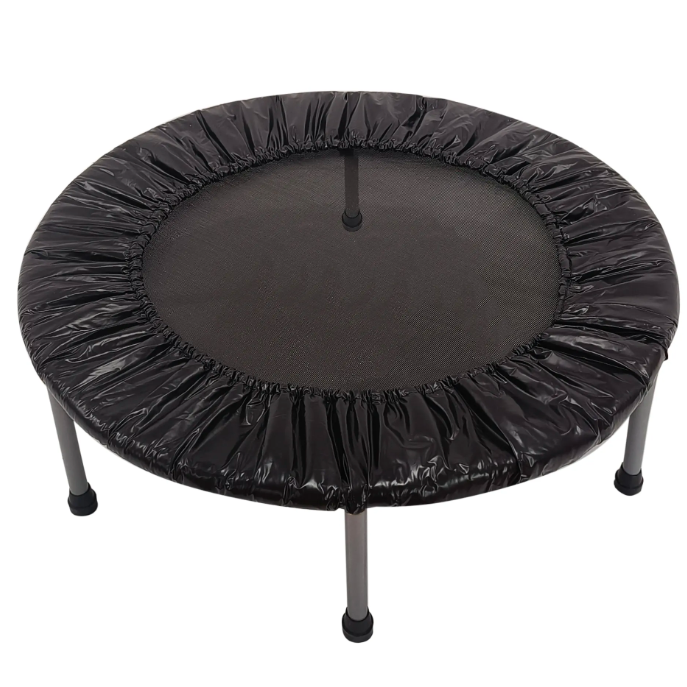
Understanding the Role of Fitness Trampolines in Commercial Workouts
The Rise of Rebounding in Group Fitness and Studio Programs
Trampolines are making waves in fitness centers across the country, with most boutique gyms adding some form of rebounding class to their schedule. According to LinkedIn data from last year, around 8 out of 10 specialty studios now include trampoline workouts. What makes these different from regular cardio machines? They let trainers design fun group sessions where people jump rhythmically while also working on strength moves. The trend fits what many gymgoers want these days: exercise that doesn't feel like punishment but still gets results. Gyms that offer this kind of mix tend to keep members coming back week after week because it's both enjoyable and effective.
Benefits of Low Impact Cardio and Joint Safe Training with Fitness Trampolines
Jumping on trampolines cuts down joint stress by around 87% when compared to running on concrete according to research from Toymaker in 2025. This makes trampoline workouts particularly good for people healing from injuries, seniors wanting low impact exercise, or those mixing different types of training into their routine. The space agency NASA found that bouncing around actually burns about 68% more calories per minute than regular jogging without putting so much pressure on the knees and ankles. So we get both effective calorie burning and reduced risk of injury all in one fun activity.
Trends: Integrating Fitness Trampolines into HIIT, Hybrid, and Boutique Class Models
Forward thinking gyms now embed rebounding into diverse formats:
- 30 second HIIT intervals paired with kettlebells
- Mind body fusion classes combining jumps with yoga flows
- Youth fitness programs leveraging the fun factor
This adaptability helps studios stand out in competitive markets.
Aligning Trampoline Programming with Target Clientele and Business Goals
Pilates studios often go for smaller, quieter machines when running gentle classes, whereas boxing gyms need those big rugged pieces that can handle intense training sessions. Smart gym owners really think about what kind of people they're serving, how many folks will be working out at once, and just how much room they actually have available. Gyms that bring trampolines into their mix of different workout options tend to get members coming back more often too. Some studies show these places see around a quarter increase in repeat visits from customers who enjoy bouncing while they burn calories.
Evaluating Frame Durability and Structural Integrity for Commercial Use
Weight Capacity and Long Term Performance in High Intensity Settings
Commercial trampolines must support 700+ lb weight capacities to endure daily group use. Research shows 14 gauge steel frames maintain ฿0.1° deflection under repeated 250 lb impacts—essential in multi user environments. Look for ASTM International F2225 15 certification, which verifies endurance over 10,000+ jumps annually.
Powder Coated Steel Frames and Stability Features for Safety
Galvanized steel cores with 3 layer epoxy coatings reduce rust risk by 40% compared to residential models (ASTM durability study 2023). Six leg bases and rubberized floor grips enhance stability during lateral movements, helping prevent equipment related injuries in dynamic classes.
Commercial vs. Residential Trampolines: Key Differences in Build Quality
| Feature | Commercial Grade | Residential Grade |
|---|---|---|
| Frame Thickness | 2.5 3mm steel | 1 1.5mm steel |
| Spring System | 72+ tension tested coils | 36 48 basic springs |
| Safety Warranty | 5 year full coverage | 90 day limited |
| Commercial models use ASTM compliant tempered steel legs and industrial grade polyethylene mats built for 8–10 times the daily use of home versions. |
Assessing Bounce Performance and Mat Spring System Efficiency
A fitness trampoline’s bounce mechanics directly influence workout efficacy, safety, and user retention. Prioritize mat spring systems engineered for commercial demands to align with your gym’s programming needs.
Rebound Quality: How Mat and Spring Design Affect User Experience
Mats made with high rebound properties and tempered steel springs can cut down on joint stress by around 40 percent when compared to hard floors according to research published in the Biomechanics Journal last year. These mats spread out the pressure evenly across their surface area, which means no annoying dead spots where movement becomes inconsistent. Athletes will find they perform better during side to side movements and complex exercises such as boxer skips because of this feature. The spring system inside these mats needs to provide different levels of resistance though. For people just starting out, the middle part of the bounce should feel softer, but when someone jumps or does plyometric work, the springs need to be stiffer to handle the extra force properly.
Jumping Surface Materials and Perimeter Safety Features
Commercial grade polypropylene mats withstand 1,200+ lbs of force per session while maintaining grip. UV resistant stitching and 360° padded edges (¥2” thickness) minimize tripping risks. Non slip PVC coatings improve traction during sweat intensive HIIT workouts.
Calibrating Bounce for Different Fitness Levels and Workout Intensities
Adjustable spring tension allows customization:
- Low tension: Best for rehab or balance training
- Medium tension: Ideal for aerobic dance or Zumba
- High tension: Supports tuck jumps and burpees
Staggered calibration across multiple units enables mixed level classes without equipment bottlenecks.
Essential Safety Features for Commercial Fitness Trampoline Units
Anti Slip Feet, Handlebars, and Safety Pads to Minimize Injury Risk
Anti slip rubber feet reduce shifting during intense workouts, cutting slip related injuries by 34% (gym safety audits, 2023). Textured grip handlebars aid balance in dynamic sequences, while 2 inch thick safety pads fully cover springs and frame edges. These features meet ASTM standards for impact attenuation—critical in group settings.
Stability Design for High Use Environments and Group Class Demands
Powder coated steel frames with cross bracing support up to 400 lbs—35% more than residential models—and remain stable under 50–100 daily users. Wide bases (¥40 inches) and anchor compatibility are vital in crowded layouts. Industry guidelines recommend selecting trampolines tested for 10,000+ jumps annually, with periodic load assessments to ensure long term reliability.
Fixed vs. Freestanding Setups: Pros and Cons for Studio Layouts
Trampolines mounted on walls offer rock solid stability which is great for creating dedicated HIIT zones, although they do restrict how flexible the overall layout can be. On the other hand, freestanding options with heavy bases let trainers rearrange things quickly when switching between different class formats. The downside? These need at least six feet of open space around them to work safely. According to a recent survey among fitness studio owners in 2023, about two thirds still go for wall mounted systems when setting up specific rebound training areas. Meanwhile most boutique gyms tend to stock freestanding models because their spaces need to adapt constantly throughout the day.
Optimizing Value, Maintenance, and Space Efficiency for Gyms
Maximizing ROI Through Durability, Warranty, and Spare Parts Availability
Commercial trampolines need to handle over 50 thousand jumps each year without losing their bounce quality. When shopping around, look for models with powder coated steel frames and heavy duty spring systems that come with at least five years warranty coverage. Gyms that keep spare parts on hand such as replacement leg braces and mat repair kits can cut down on equipment downtime by roughly two thirds. Studies from NJ Fitness Equipment Repair show that facilities which perform regular maintenance checks and make good use of their warranty terms tend to spend about forty percent less on repairs every year compared to those who don't. This makes a real difference for busy fitness centers where trampolines get constant action throughout the day.
Routine Maintenance and Cleaning to Extend Equipment Lifespan
Conduct daily checks for mat wear, loose springs, and handlebar integrity. Lubricate spring coils biweekly and adjust tension monthly to prevent fatigue—gyms following this schedule report 23% longer equipment life. Clean antimicrobial surfaces with pH neutral solutions to preserve elasticity, avoiding harsh chemicals that cause 17% of premature replacements.
Space Planning: Sizing and Placement for Indoor Classes and Studio Flow
Rectangular trampolines maximize floor efficiency in rows versus circular models. Allow 3.5–4 feet between units for safe movement during group sessions. Wall mounted storage for accessories keeps the area uncluttered. Studios using modular layouts with wheeled units achieve 35% higher space utilization during hybrid circuits, per Fettle Fitness studies.
Table of Contents
- Understanding the Role of Fitness Trampolines in Commercial Workouts
- Evaluating Frame Durability and Structural Integrity for Commercial Use
- Assessing Bounce Performance and Mat Spring System Efficiency
- Essential Safety Features for Commercial Fitness Trampoline Units
- Optimizing Value, Maintenance, and Space Efficiency for Gyms