 EN
EN

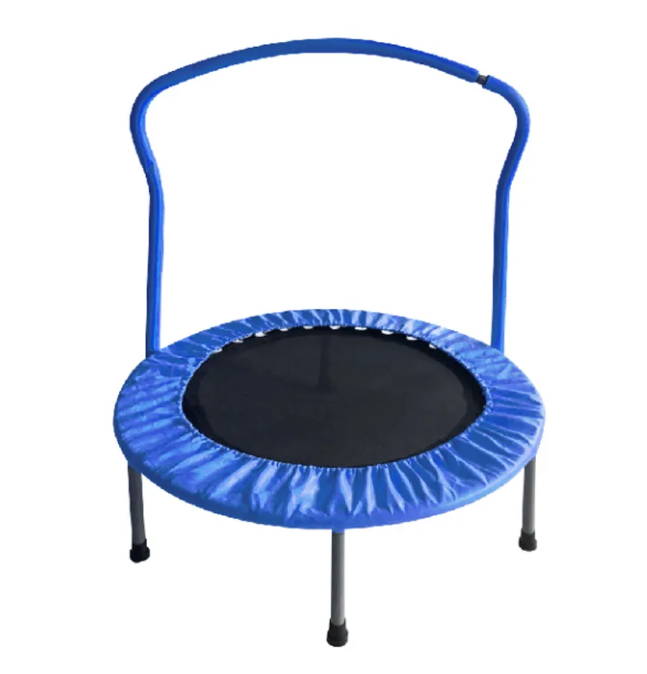
Health and Fitness Benefits Driving Demand for Mini Trampolines
Improving Cardiovascular Endurance Through Mini Trampoline Workouts
Bouncing on mini trampolines gives people a great cardio workout while putting around 80% less strain on their joints compared to regular running. That makes these little bouncers pretty good for keeping up with heart health over time. The numbers look impressive too: someone who spends half an hour jumping around can torch between 200 to maybe even 350 calories, plus boost their VO2 max levels. A recent study from Sports Medicine in 2023 backs this up. Because of how effective they are, lots of fitness centers now include trampoline workouts as part of their HIIT classes. Some places have whole circuits set up where members jump from one trampoline station to another during intense sessions.
Low Impact Exercise Benefits for Joint Health and Injury Prevention
The elastic surface of mini trampolines absorbs 87% of impact forces compared to hard flooring, per research in Clinical Biomechanics. This makes rebounding a safe option for individuals with arthritis or recovering from injury. Market data shows 42% of buyers prioritize joint friendly features, contributing to growing adoption in rehab centers.
Supporting Weight Loss With Efficient Calorie Burning Sessions
Rebounding activates 68% more muscle fibers than stationary cycling, boosting metabolic rate for over 48 hours post exercise. In a 2022 Obesity Science trial, participants who completed four 20 minute sessions weekly lost 2.3 times more abdominal fat than those who walked regularly.
Enhancing Heart Health Through Consistent Aerobic Activity
Regular use of mini trampolines lowers systolic blood pressure by 8–12 mmHg within eight weeks, aligning with American Heart Association guidelines for cardiovascular health. The rhythmic motion enhances circulation and reduces strain during extended workouts.
Promoting Balance, Coordination, and Full Body Muscle Engagement
A 2024 Journal of Sports Science study found that six weeks of rebounding improved dynamic balance by 29% in older adults. The unstable surface simultaneously engages core stabilizers and the proprioceptive system–offering dual neuromuscular benefits that few traditional exercises match.
Cost Efficiency and ROI of Bulk Mini Trampoline Purchases
Affordability and Scalability of Mini Trampolines for Commercial Use
Buying in bulk can cut individual prices by around 35%, which makes mini trampolines an affordable option for gyms, schools, and workplace wellness initiatives. These small trampolines take up surprisingly little space too. A typical storage room can hold twenty or more without crowding, something that really matters when facilities have limited square footage. Market research from Cognitive Market shows the industry growing steadily at nearly 10% each year until 2031. Organizations want these trampolines because they work well for lots of people without putting too much strain on joints. The heavy duty versions handle weights above 300 pounds easily and last through tens of thousands of bounces, so they stay functional even with regular use from different age groups and body types.
Long Term Return on Investment in Fitness Centers and Wellness Programs
Gyms have seen membership stick around 20 to 30 percent longer once they start offering rebounder classes. People get a good workout too, burning somewhere between 500 and 900 calories an hour while being gentle on their joints. Most gyms find that spending money upfront on those big trampolines starts paying back pretty quickly, usually within about 18 months when more folks show up for classes and there are fewer complaints about injuries from hard impacts. The better quality models with strong frames and mats that stand up to sun exposure need way less fixing compared to regular exercise machines according to some recent studies from last year. With companies getting serious about employee health programs these days, around two thirds of HR people prefer gear that works well both at work and at home. That's where small trampolines really shine since they can easily be packed away and taken anywhere.
Design and Durability Features Critical for Institutional Buying
Compact, Foldable Design Ideal for Space Limited Facilities
Mini trampolines today take up half the space of regular gym gear because they come with foldable frames and can be stored vertically against walls or in corners. Space matters a lot for gyms these days – according to the Wellness Facility Management Report from last year, around two thirds of all fitness centers struggle with not enough floor room. The lighter models weighing less than 20 pounds have those collapsible legs which makes it easy for gym staff to move them around when needed. Just imagine how much easier it would be during morning yoga classes versus afternoon weight training sessions if equipment could simply disappear into storage when not in use.
Robust Build Quality for High Frequency, Commercial Grade Use
When it comes to picking out trampolines for institutional settings, going for models with reinforced steel frames and those thick 12 gauge polypropylene mats makes all the difference. These commercial grade units can handle anywhere from 3 to 5 times the daily wear and tear that regular home trampolines get, according to tests run by folks who know their way around fitness equipment. Looking at real world numbers too, a survey back in 2023 asked 200 gym managers about their experiences. What they found was pretty impressive actually gyms that switched to these heavy duty rebounders saved nearly three quarters of their money on replacements over a three year period when compared against cheaper consumer models. That kind of savings adds up fast for facility operators.
Safety Enhancing Features: Bungee Cords, Handles, and Stable Frames
Most institutions are going with springless bungee suspension these days since they cut down on joint stress by around 40 percent when compared to traditional coil springs. That explains why about two thirds of all purchases in this category end up being these types of systems. The frames themselves have a wide base at least 36 inches across, which helps keep things stable even during intense workouts. Plus there's those rubber feet that won't slip around no matter how hard someone pushes themselves. And let's not forget about the adjustable foam handles either. They can be set anywhere between four feet eleven inches and six feet seven inches tall, so pretty much everyone from kids to adults can find a comfortable grip position while staying safe throughout their exercise routine.
Performance Impact of Resistance Mechanisms: Springs vs. Bungee Systems
Bungee driven trampolines maintain 25% more consistent rebound force over time than spring based models, as demonstrated in a six month wear study across 12 YMCA locations. Physical therapy researchers note this consistency translates to an 18% improvement in workout uniformity, particularly beneficial for balance and rehabilitation programs.
Integration of Mini Trampolines into Group Fitness and Wellness Programs
Adoption in gyms, rehab centers, and corporate wellness initiatives
These little rebounders have become pretty much standard equipment across all sorts of places these days because they just work so well for so many things. The latest numbers from the Mini Exercise Trampolines Market Report show that around two thirds of corporate wellness programs now feature these low impact devices as part of their offerings. They fit right into HIIT sessions, help with mobility work, and even serve as great stress busters. Physical therapy clinics are seeing real results too. When patients do those controlled bounce exercises, there's actually improvement in how they move around. About 4 out of 10 clinics that were surveyed reported noticeable progress in their patients' mobility after incorporating rebounding into treatment plans.
Trends in adult fitness: why rebounders are gaining institutional traction
People aged between 35 and 54 are behind a steady rise in rebounder purchases across commercial gyms, with market research showing around 14% growth each year since 2023. Gyms everywhere seem to be moving away from harsh impact machines like treadmills towards equipment that's easier on the joints. What makes rebounders so popular? They let folks mix different types of exercise all at once think cardio work combined with elements of Pilates and strength moves, everything happening right there on one small trampoline like device. Group classes led by instructors can torch upwards of 800 calories in just an hour session, which actually saves time compared to regular aerobic workouts by roughly 23%. That efficiency factor is pretty appealing when everyone wants results without spending forever at the gym.
How to choose the right mini trampoline for bulk deployment
When procuring trampolines at scale, institutions should prioritize:
- Weight capacity: Choose models rated for 250+ lbs to accommodate adult fitness programs
- Stability features: Springless bungee systems enhance safety during frequent use
- Footprint: 40"–48" diameter units optimize usability and storage in multipurpose spaces
Top manufacturers now offer commercial grade models with antimicrobial mats and 5 year warranties, supporting long term, cost effective deployment in wellness initiatives.
Table of Contents
-
Health and Fitness Benefits Driving Demand for Mini Trampolines
- Improving Cardiovascular Endurance Through Mini Trampoline Workouts
- Low Impact Exercise Benefits for Joint Health and Injury Prevention
- Supporting Weight Loss With Efficient Calorie Burning Sessions
- Enhancing Heart Health Through Consistent Aerobic Activity
- Promoting Balance, Coordination, and Full Body Muscle Engagement
- Cost Efficiency and ROI of Bulk Mini Trampoline Purchases
- Design and Durability Features Critical for Institutional Buying
- Integration of Mini Trampolines into Group Fitness and Wellness Programs