 EN
EN

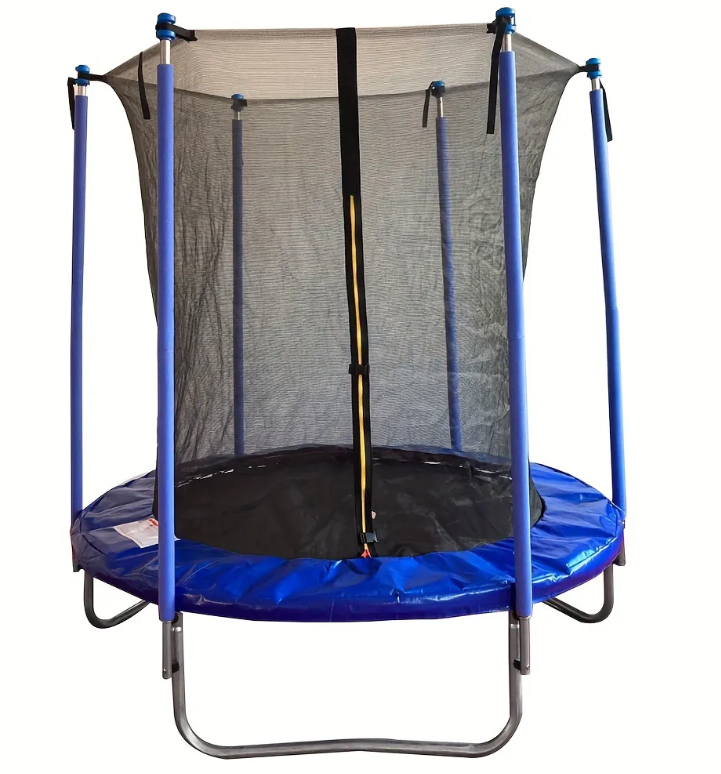
Fall Containment: UV-Stable, High-Density Netting That Meets ASTM F2225
Why UV-Resistant Polyethylene and Polyester Mesh Prevent Degradation and Maintain Tensile Strength
The main components of long lasting trampoline enclosures are usually made from UV resistant polyethylene and polyester mesh materials. When manufacturers produce these nets, they typically treat them with special additives like UV absorbers or hindered amine light stabilizers to stop degradation from sunlight. If left unprotected, regular netting tends to weaken quite a bit after just one year under direct sunlight according to those accelerated weather tests specified in ASTM G154 standards. The specially treated versions hold together better thanks to something called cross linking technology that stops the material from becoming brittle or falling apart at the seams. These upgraded nets can handle tears with forces above 300 Newtons even after extended use, which makes all the difference when kids jump around vigorously on the trampoline without worrying about sudden failures.
How 40 mm Maximum Aperture and Tight Weave Stop Limb Entrapment and Ejection
Safety-certified enclosures feature netting apertures strictly capped at 40 mm with interlocking hexagonal weave patterns. This dimensional control serves dual protective functions:
- Prevents fingers or limbs from penetrating beyond the wrist or ankle joint
- Distributes impact forces across multiple mesh intersections
The tight weave creates surface tension that requires three times more force to deform than loose knits. During sideways falls, the net’s reactive tension converts collision energy into elastic rebound rather than ejection. ASTM F2225 testing confirms this design eliminates entrapment risks while reducing fall-through incidents by 92% compared to non-compliant nets.
Structural Reliability: Corrosion-Resistant Poles, 6+ ft Height, and Seamless Frame Integration
Galvanized Steel vs. Powder-Coated Aluminum: Real-World Durability and Long-Term Rust Resistance
When it comes to safety, the best trampoline enclosures use materials that won't corrode even after years of exposure to harsh weather conditions. Galvanized steel poles work great because they form a protective layer of zinc that stops rust from forming, especially important in places with lots of humidity. These poles can last over a decade according to tests done in controlled environments (like those salt spray chambers specified by ASTM B117). For lighter options, powder coated aluminum is another solid choice. The coating creates multiple protective layers against oxidation while keeping things light on the ground. Weighing about 30% less than steel alternatives means there's less chance the enclosure will sink into soft soil over time. Both these materials meet and often beat the standards set by ASTM F2225 when properly constructed with extra protection layers. This matters most at the connections between poles and frames where most failures actually happen due to concentrated stress points.
Optimal Pole Spacing and Internal Net Attachment for Uniform Load Distribution
How poles are placed really matters for safety reasons. When they're spaced less than 1.2 meters apart, it stops the net from sagging too much and keeps things from swaying side to side when someone jumps around on it. The nets themselves are attached internally through these reinforced toggle loops built into the frame structure. This setup gets rid of those annoying pinch points where fingers might get caught, plus spreads out the force of movement across every pole instead of concentrating it in one spot. Tests show this internal attachment method cuts down on stress spikes by about 40 percent compared to older external methods, according to ASTM F2225 standards for dynamic loads. And when paired with poles at least 1.8 meters tall (that's roughly six feet), the whole system works pretty well to contain limbs safely even when kids go wild with their bouncing adventures.
User-Centered Safety Engineering: Secure Entry, Impact Protection, and Wind-Stable Anchoring
Zippered Doorways with Overlap Flaps and Child-Safe Locking Pulls
Zipper systems that lock on their own come with nylon flaps that overlap each other, forming two barriers against little ones slipping out accidentally. When these flaps are properly aligned, they stay put even if someone only partially zips up the entrance. This means no gaps form where small fingers might get stuck between panels. The special locks need both pinching and sliding at the same time to open them, something most kids younger than seven just can't figure out. According to some safety research published in playground journals, this design cuts down on unauthorized entry attempts by around 38%. What makes these zippers really useful is how they reset themselves every time someone goes through or comes back in, so parents don't have to constantly check and readjust things while kids are jumping around all over the place.
Pole Padding, Frame Cushioning, and Reinforced Toggle Loops for Impact Mitigation
The triple layer PVC padding covers every structural part with 2 inches of thick impact foam that soaks up energy when something hits it faster than 15 miles per hour. The netting stays put thanks to reinforced polyester toggle loops spaced every 8 inches apart. These loops spread out the force across the whole surface area, which keeps everything attached even if someone runs into the side. Independent testing shows this design cuts down on injuries caused by collisions by almost 60% compared to regular setups. They tested this by dropping things from the highest possible jumping height in controlled environments. Because of how everything connects together without gaps, there are absolutely no hard spots left exposed anywhere along the edges of the enclosure. People get consistent protection wherever they might bump into it.
Certified Performance: Why Independent Testing and ASTM Compliance Define the Safest Trampoline Enclosure
What makes some trampoline enclosures truly safe versus just okay? The answer lies in independent testing against recognized industry standards. Organizations like the American Society for Testing and Materials create these standards through a collaborative process. They've developed specific guidelines such as ASTM F2225 which focuses on trampoline enclosures themselves, while ASTM F381 covers overall trampoline safety. These standards check important aspects like how strong the nets are, whether attachments hold up over time, resistance to sun damage, and if children can get stuck anywhere. To meet these requirements, manufacturers must send their products to outside labs for actual testing on these key safety elements.
- Netting tensile strength under dynamic loads exceeding 250 lbs
- UV stability after 2,000+ hours of accelerated weathering per ASTM G154
- Entrapment prevention through strict 40 mm aperture controls
Manufacturers whose enclosures pass these protocols demonstrate measurable commitment to safety engineering. With major retailers increasingly requiring ASTM certification, this independent validation has become the definitive benchmark for trampoline enclosure safety—directly reducing injury risk by ensuring designs meet scientifically-backed protective thresholds.
Table of Contents
- Fall Containment: UV-Stable, High-Density Netting That Meets ASTM F2225
- Structural Reliability: Corrosion-Resistant Poles, 6+ ft Height, and Seamless Frame Integration
- User-Centered Safety Engineering: Secure Entry, Impact Protection, and Wind-Stable Anchoring
- Certified Performance: Why Independent Testing and ASTM Compliance Define the Safest Trampoline Enclosure