 EN
EN

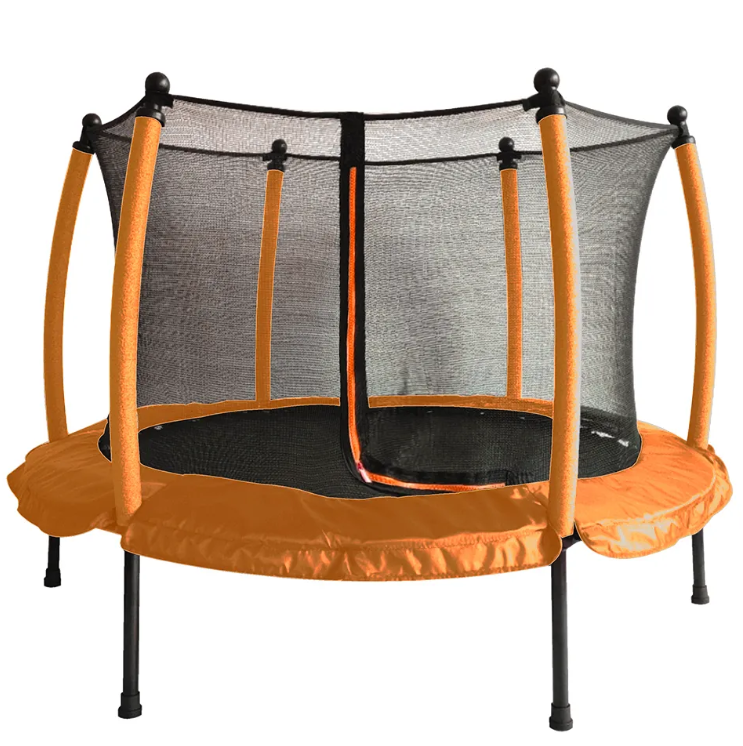
Durability and Weather Resistance: Built for Outdoor Longevity
Outdoor commercial bounce trampolines need serious engineering to handle all the punishment from Mother Nature. The best ones use premium steel frames treated with galvanization and powder coating. These treatments create a protective shield against things like constant rain, high humidity, and even salty coastal air that eats away at regular equipment. Tests have actually proven these reinforced frames can last over 10 years in really harsh weather conditions. That's about double what we see with standard coatings on cheaper models. For businesses looking at long term value, this durability makes a huge difference in maintenance costs and customer satisfaction.
Galvanized and Powder-Coated Steel Frames for Corrosion Resistance
Dual-layer protection combines zinc galvanization with polymer powder coatings, sealing steel from oxidation. This process prevents rust penetration even when surface scratches occur—critical for high-moisture installations near pools or coastal resorts.
UV-Stabilized Jump Mats and Spring Coatings to Prevent Sun Degradation
UV-inhibited polypropylene mats resist fading and brittleness under direct sunlight, while encapsulated springs use thick, sunlight-resistant vinyl sleeves. This blocks UV damage—the leading cause of recreational trampoline failure within three years.
Lifecycle Cost Advantage: How Premium Materials Cut 5-Year TCO by 42%
While weather-resistant components cost 15–20% more upfront, they reduce long-term expenses:
| Cost Factor | Standard Materials | Premium Weather-Resistant |
|---|---|---|
| Replacement Cycles | Every 2–3 years | 7–10 years |
| Maintenance Labor | 18 hours/year | 6 hours/year |
Industry analysis confirms a 42% lower total cost of ownership over five years for commercial-grade outdoor trampolines (Facility Management Journal, 2023). The resilience translates to fewer operational interruptions and consistent safety compliance.
Safety Engineering for High-Traffic Outdoor Bounce Trampoline Use
ASTM F2374—Compliant Enclosures and Net Systems for Fall Protection
For commercial outdoor bounce trampolines, having enclosures that meet ASTM F2374 is pretty much mandatory nowadays. The main reason? Safety. These enclosure systems help stop people from getting hurt when they fall off. They use really tight mesh made from high density polyethylene along with strong metal poles to keep everything secure. Well designed nets make sure there are no spaces big enough for someone to get stuck or fall through. And those nets aren't just hung straight down either they're angled between around 55 to 65 degrees which actually helps prevent accidents caused by bouncing back towards the edge. Independent tests have shown that these kinds of enclosures can catch about 98 out of every 100 falls in places like parks and recreation centers where lots of people jump around all day long.
Impact-Absorbing Padding, Verified Weight Limits, and Third-Party Test Data
The main safety features involve thick closed cell foam padding around every spring and frame part. We're talking about foam that's about two inches thick here. What makes this stuff special is how it handles impacts - it can take hits at pressures reaching 1500 psi before giving way. Plus, it doesn't soak up water or develop mold over time. Most products come with specified weight ranges usually between 250 to 400 pounds per person. These limits help keep the structure from wearing out too fast. The testing reports actually show these items have built in safety factors of around double what they need. Good companies will share independent test results too. Look for proof that shows landing impacts stay under 7.5 Gs, that the padding lasts through tens of thousands of compressions, and that the netting holds firm even when pulled sideways with forces exceeding 1200 Newtons.
Certifications That Matter: Ensuring Compliance for Outdoor Trampoline Installations
Getting certified outdoor trampolines isn't just something nice to have but actually essential for anyone running a business with them. The big names in manufacturing check their gear against strict international rules such as ASTM F2970 which applies specifically to bounce houses and trampoline parks, plus there's EN 1176 for regular playground setups. What this means practically is that they test how strong everything is, what kind of materials absorb shocks properly, and whether the trampoline can handle the expected weight load safely. When businesses stick to these standards, studies show around two thirds fewer injuries happen overall, not to mention meeting all those insurance demands. Without proper certification? Expect insurance costs to skyrocket about three times normal. For places where trampolines are outside, look out for extra certifications related to things like sun damage protection and ability to withstand winds over ninety miles per hour since weather really takes its toll on equipment left outdoors. And remember to ask for recent test results when buying new equipment because most certifications need checking every year due to things like parts wearing down or improvements made to designs.
Selecting the Right Outdoor Trampoline Type by Space and Use Case
Rectangular, Round, and In-Ground Bounce Trampolines: Fitness, Park, and Resort Applications
Picking the right outdoor trampoline means thinking about how much room there is and what people actually want to do on it. Rectangular trampolies work great for places where folks need to jump in certain directions, like doing exercises or practicing sports moves. Their long shape fits nicely into tight spaces without taking up too much ground. Then there are those round ones that become gathering spots in parks. Kids and families naturally gravitate towards the middle because the bounce stays pretty even all around, making them perfect for backyard parties or just hanging out together. Resorts that care about looking good and being easy to access often go for in ground models. These disappear into the landscape so nobody sees the metal frame sticking out, yet they still keep everyone safe from falling off
| Trampoline Type | Best For | Ideal Setting |
|---|---|---|
| Rectangular | Directional training | Fitness centers, narrow yards |
| Round | Social/recreational bounce | Community parks, family zones |
| In-Ground | Blended accessibility | Resorts, premium landscapes |
Commercial operators reduce long-term costs by selecting designs aligned with user density and spatial constraints—rectangular units withstand frequent gymnastic use, round options accommodate casual group play, and in-ground installations minimize maintenance in high-visibility areas.
Secure Installation and Sustainable Maintenance for Outdoor Trampoline Longevity
Wind-Resistant Anchoring: Concrete, Earth, and Uplift-Tested Solutions
Getting proper anchoring right is absolutely essential when it comes to keeping commercial outdoor trampolines safe and lasting longer. When winds hit around 90 mph or higher, operators should definitely pair concrete footings with quality tested earth anchors to stop those pesky issues with movement during storms. The latest ASTM F381-23 guidelines actually specify that there needs to be at least 6.5 feet of space all around the installation area when using these anchoring techniques. Checking the tension regularly helps fight against uplift forces, something beachside locations or areas prone to strong gusts really need to worry about. Facility managers should also remember to inspect bolts every six months and adjust mat alignment as seasons change, because nothing breaks down faster than neglected equipment exposed to extreme weather conditions year after year. According to data from the Recreation Safety Council released last year, facilities that stick to regular maintenance schedules can save roughly a third on replacement expenses within just five years. That kind of savings makes all this effort totally worth it for parks and resorts dealing with constant use from bouncing customers day in and day out.
Table of Contents
- Durability and Weather Resistance: Built for Outdoor Longevity
- Safety Engineering for High-Traffic Outdoor Bounce Trampoline Use
- Certifications That Matter: Ensuring Compliance for Outdoor Trampoline Installations
- Selecting the Right Outdoor Trampoline Type by Space and Use Case
- Secure Installation and Sustainable Maintenance for Outdoor Trampoline Longevity